- High job demand: India reports over 40% year-on-year growth in ethical hacking roles as companies increase security testing to prevent breaches across the IT, banking, and e-commerce industries nationwide.
-
Rising digital threats: Studies show 70% of organizations face frequent attack attempts, increasing demand for ethical hackers who can identify vulnerabilities early and help reduce operational and financial risks.
-
Long-term career stability: Ethical hacking roles remain relevant as digital systems expand, with global reports predicting millions of unfilled security testing positions due to a growing skills gap.
-
Affordable training costs: Compared to metro cities, Coimbatore offers ethical hacking courses at 20–30% lower costs, making quality technical education more accessible for students and working professionals.
-
Strong IT ecosystem: Coimbatore hosts a growing IT and startup environment, providing learners with exposure to real-world systems and increasing opportunities for internships, projects, and entry-level ethical testing roles.
-
Hands-on practical focus: Over 65% of employers prefer candidates with practical testing experience, and ethical hacking courses emphasize live simulations, tools, and scenario-based learning over theory alone.
-
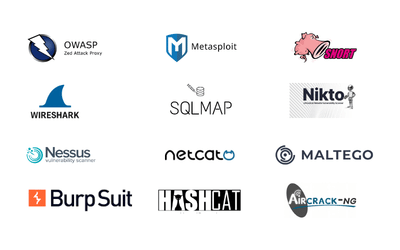
Industry-relevant tools: Learners gain experience with widely used ethical hacking tools, aligning with industry practices, where nearly 80% of organizations rely on structured testing frameworks for system safety.
-
Problem-solving skill development: Ethical hacking training improves logical thinking and analysis, skills ranked among the top five technical competencies employers seek in testing and security-focused roles.
-
Suitable for multiple backgrounds: Ethical hacking courses are ideal for students, professionals, and career switchers, with surveys showing over 50% of ethical hackers transitioned from non-security roles.
-
Multiple job roles available: Graduates can pursue roles like penetration tester or ethical testing analyst, with thousands of openings added annually in India across IT services, finance, and online platforms.
Scope of Ethical Hacking Careers in Coimbatore
-
Coimbatore’s growing IT ecosystem has increased demand for ethical hackers, with studies indicating nearly 40% annual growth in security testing roles as organizations focus on protecting systems and digital infrastructure. This surge reflects the city’s expanding software, IT services, and startup world.
-
Over 70% of organizations report frequent cyberattack attempts, creating strong career opportunities for ethical hackers in Coimbatore across IT services, finance, e-commerce, and software development sectors. Security has become a business priority rather than a support function.
-
Ethical hacking professionals in Coimbatore benefit from rising technology investments, where companies adopting digital platforms report up to 45% risk reduction through regular ethical testing and vulnerability assessments, strengthening long-term hiring demand.
-
Career scope continues to expand as Coimbatore startups and enterprises increasingly hire ethical hackers for compliance support, audits, and system testing, contributing to thousands of new technical openings added annually across India.
-
Ethical hacking careers in Coimbatore offer long-term stability, as global workforce studies predict millions of unfilled cybersecurity roles due to a shortage of skilled professionals capable of identifying and preventing system vulnerabilities.
-
With affordable education costs and strong industry demand, Coimbatore provides a favorable environment for ethical hacking careers, helping professionals enter a high-growth field with competitive salaries and consistent advancement opportunities.
Career Opportunities After an Ethical Hacking Course in Coimbatore
-
Penetration Testing Roles: Coimbatore companies increasingly hire penetration testers, with Indian demand growing over 40% annually, as organizations conduct regular ethical testing to reduce security risks and strengthen system reliability.
-
Network Testing Positions: Network testing roles continue expanding, as studies show 70% of organizations face frequent attack attempts, driving Coimbatore employers to recruit professionals who responsibly evaluate network vulnerabilities.
-
Application Testing Careers: Web and application testing opportunities are rising in Coimbatore’s IT sector, where companies performing routine ethical tests report nearly 45% fewer system issues, improving operational continuity.
-
Security Analysis Roles: Security analysis positions offer stable growth, as Indian enterprises increase technology spending and add thousands of technical roles annually to monitor, assess, and improve system protection strategies.
-
Consulting Opportunities: Ethical hacking consultants are increasingly valued in Coimbatore, supporting periodic assessments, where outsourced testing services deliver over 30% cost savings compared to internal-only evaluations.
-
Cross-Domain Careers: Professionals with ethical hacking expertise gain expanded career flexibility across automation-driven testing, compliance support, and advanced system evaluation roles.
-
Long-Term Career Growth: Ethical hacking careers ensure long-term relevance, as global research predicts millions of unfilled security testing roles, sustaining demand and advancement opportunities across evolving digital environments.
Why Choose Ethical Hacking as a Career in Coimbatore
Ethical hacking is developing as a strong career choice in Coimbatore due to the city’s growing IT and technology ecosystem. Industry reports indicate that ethical hacking roles in India are growing by over 40% annually, reflecting rising organizational demand. As more businesses adopt digital platforms, the need for ethical system testing continues to increase. Coimbatore offers cost-effective education and training opportunities compared to metro cities, making it easier for learners to build technical careers without high expenses. The city’s steady expansion supports long-term career stability.
Organizations across IT, finance, and e-commerce sectors report that over 70% experience regular digital attack attempts, driving demand for ethical hacking professionals. Ethical hackers help reduce risks, with studies showing nearly 45–50% improvement in system safety through regular testing. Coimbatore’s supportive learning environment encourages career diversification within technical domains, enhancing employability and practical skills. Ethical hacking also builds strong analytical and problem-solving abilities that remain relevant as digital systems continue to evolve. Overall, Coimbatore provides a balanced mix of opportunity, affordability, and sustainable career growth.
Skillfloor Ethical Hacking Training for Career Growth in Coimbatore
-
Skillfloor’s ethical hacking training in Coimbatore aligns with industry demand, where ethical hacking roles in India are growing at over 40% annually, helping learners prepare for consistent career growth opportunities.
-
The training emphasizes practical exposure, as 65% of employers prefer candidates with hands-on testing experience, improving job readiness and confidence for learners entering ethical hacking roles.
-
Coimbatore’s expanding IT ecosystem supports career advancement, with companies increasingly investing in ethical testing, contributing to thousands of new technical openings added annually across India.
-
Skillfloor focuses on real-world scenarios, reflecting industry practices where organizations conducting regular ethical testing report nearly 45–50% reduction in system vulnerabilities.
-
Learners benefit from structured learning paths that support long-term growth, as global studies predict millions of unfilled ethical hacking roles due to ongoing digital expansion.
-
Professionals strengthening ethical hacking expertise through complementary technical learning gain broader career flexibility and cross-domain opportunities within technology-driven industries.
-
With affordable training costs and career-focused learning, Skillfloor in Coimbatore provides an effective platform for entering a high-growth technical field with stable advancement prospects.
Demand for Ethical Hackers in Coimbatore’s IT Sector
-
Growing Job Openings: Coimbatore’s IT sector sees rising ethical hacking roles, reflecting India’s 40% annual growth in security positions as companies strengthen systems against digital threats and expand testing capabilities locally.
-
Security Threat Rise: Over 70% of organizations report regular attack attempts, driving Coimbatore employers to hire ethical hackers who can proactively identify vulnerabilities and support secure operations in IT and tech services.
-
Industry Investment Boost: Local companies are increasing investments in ethical testing, contributing to thousands of new technical openings annually, as firms prioritize regular security assessments to reduce risk and protect digital infrastructure.
-
Practical Experience Preference: Nearly 65% of employers favor candidates with hands-on testing skills, increasing demand for trained ethical hackers in Coimbatore who can apply real-world methods and tools confidently.
-
Startup Tech Demand: Coimbatore’s growing startup ecosystem adds to ethical hacking demand, as young tech firms require skilled professionals to secure applications and systems, promoting safer innovation and operational stability.
-
Competitive Salaries Offered: Ethical hacking roles in Coimbatore attract competitive packages, aligned with national trends where skilled testers command above-average compensation due to the ongoing shortage of qualified professionals.
-
Long-Term Career Scope: Global reports predict millions of unfilled ethical testing roles due to digital expansion, positioning Coimbatore’s ethical hackers for long-term demand, stable growth, and diverse career opportunities.
Skillfloor Ethical Hacking Course Fees in Coimbatore
Skillfloor Ethical Hacking Course fees in Coimbatore are priced at ₹14,900, making it an affordable option for learners entering cybersecurity. The fee covers 2 months of structured training focused on practical ethical hacking skills. Industry reports show ethical hacking roles in India are growing at over 40% annually. This rising demand highlights the value of short-term, job-focused training. Coimbatore’s lower education costs compared to metro cities add further advantage. Learners can upskill without a high financial burden.
The course fee also includes 1 month of internship with exposure to real-time security projects. Studies indicate 65% of employers prefer candidates with hands-on testing experience. Training includes working with AI-automated security tools used in modern testing environments. Organizations conducting regular ethical testing report 45–50% fewer system vulnerabilities. This practical approach improves job readiness and confidence. Overall, Skillfloor offers strong value aligned with current industry needs.
Ethical Hacking Course Career Stability in Coimbatore
-
Ethical hacking careers in Coimbatore show strong stability as Indian security roles grow 40% annually, driven by ongoing digital transformation and the need for constant system protection against threats.
-
With 70% of teams reporting frequent attempted attacks, ethical hackers in Coimbatore gain job continuity by helping businesses identify vulnerabilities before breaches occur, boosting demand for trained professionals.
-
Organizations conducting regular ethical testing report up to 50% reduction in vulnerabilities, increasing reliance on skilled ethical hackers, and making career stability more reliable for certified professionals locally.
-
Coimbatore’s expanding IT ecosystem adds thousands of technical roles yearly, including ethical testing positions, helping learners build long-term careers with steady opportunities and advancement potential.
-
Employers prefer practical experience, with nearly 65% of recruiters valuing hands-on skills, so those trained in ethical hacking find more stable placements and continued skill relevance.
-
Ethical hacking supports cross-domain opportunities in compliance, audits, and risk reduction, enhancing career stability as businesses integrate secure practices into everyday operations and minimize threats.
-
As digital systems scale, global research forecasts millions of unfilled ethical testing roles, ensuring that Coimbatore-trained ethical hackers remain relevant and in demand across the Developing technology world.
Ethical hacking continues to offer strong career stability in Coimbatore as digital adoption grows across industries. Rising demand for secure systems has increased the need for trained ethical hackers. Organizations value professionals who can identify risks early and support safe operations. Coimbatore’s expanding IT ecosystem adds steady opportunities for skilled learners. Ethical hacking skills remain relevant despite changing technologies. Overall, it provides a reliable and future-oriented career path.