































How to Start Your Influencer Marketing Career
Learn the essential steps to kickstart your influencer marketing journey. Discover strategies, tips, and insights to begin your career successfully.
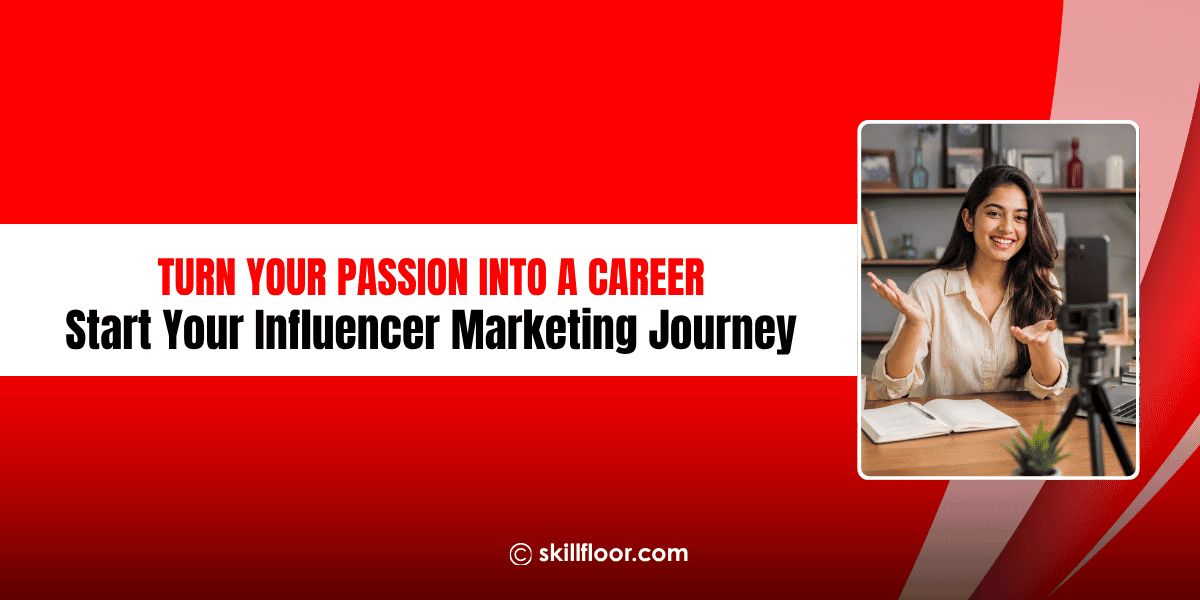
Influencer marketing has emerged as a rapidly growing career path in digital marketing, with brands increasingly collaborating with creators to forge authentic connections and reach targeted audiences around the globe.
Starting a career in this field requires more than just knowledge of social media; professionals must also possess skills in strategy, research, communication, negotiation, and analytics to manage campaigns effectively. By 2024, the influencer marketing industry is expected to reach $24.1 billion, demonstrating significant market growth.
Professionals in this space connect brands and creators by selecting suitable influencers, analyzing engagement rates, tracking return on investment (ROI), and ensuring that campaigns deliver measurable results through strategic partnerships.
Influencer marketing presents prospects for students, marketers, and job switchers as the creative economy grows. According to studies, 80% of marketers think influencer marketing works, and experts in platforms, technologies, and data-driven tactics prosper.
What Is Influencer Marketing?
Influencer marketing is a digital marketing tactic in which companies work with people who have a sizable online following to advertise goods, services, or campaigns.
Influencer marketing emphasizes trust and sincerity, in contrast to traditional advertising. Influencers' recommendations are more relatable and useful since they have previously established ties with their audiences.
For instance, a skincare company might collaborate with beauty producers to provide instructional material, give product usage demonstrations, and share evaluations. To review its newest items, a tech corporation might work with YouTube creators.
An influencer marketing professional manages these collaborations by:
-
Finding suitable influencers
-
Evaluating audience quality
-
Negotiating partnerships
-
Planning campaigns
-
Managing communication
-
Measuring campaign performance
Why Choose Influencer Marketing as a Career?
Digital marketing specialists now have more work options thanks to the creative economy's continued rapid growth.
Businesses in a variety of sectors, including fashion, beauty, technology, healthcare, finance, and entertainment, are engaging in influencer collaborations as a result of consumers' growing confidence in recommendations from creators.
Among the motivations for pursuing a career in influencer marketing are:
1. Growing Brand Demand
Influencer marketing experts that can find qualified creators, oversee partnerships, and successfully connect items with target audiences are becoming more and more important to brands.
2. Creative Career Opportunities
By combining strategy and creativity, influencer marketing enables experts to design campaigns, investigate trends, and produce captivating brand experiences.
3. Diverse Job Roles
Influencer marketing executives, campaign manager, creative partnership specialist, social media strategist, and talent manager are just a few of the employment options available in this industry.
4. Global Work Opportunities
Influencer marketers can work with global brands and artists, and many businesses provide flexible and remote work options.
5. Fast Industry Growth
Demand for qualified marketers who comprehend influencer collaborations, audience behavior, and digital marketing tactics is rising due to the growing creative economy.
6. Valuable Marketing Skills
Professionals can enhance their communication, negotiating, analytics, relationship management, and content strategy abilities for long-term career advancement by working in influencer marketing.
What Does an Influencer Marketing Professional Do?
Many beginners believe that influencer marketing is limited to identifying influencers and communicating with them. Professional influencer marketing, however, requires careful preparation and implementation.


Typically, an influencer marketing specialist is in charge of:
1. Influencer Research and Selection
The first step of any campaign is identifying creators who match the brand’s goals.
Professionals analyze:
-
Audience demographics
-
Content quality
-
Niche relevance
-
Previous brand collaborations
It's not always the best idea to pick an influencer with millions of followers. For certain projects, a micro-influencer with a highly engaged following could produce superior results.
2. Campaign Planning
Influencer marketers develop campaign strategies by defining:
-
Campaign objectives
-
Target audience
-
Content requirements
-
Influencer selection criteria
Common campaign goals include:
-
Increasing brand awareness
-
Generating website traffic
-
Driving sales
-
Building brand credibility
3. Influencer Relationship Management
Building strong relationships with creators is one of the most important parts of this career.
Professionals communicate with influencers regarding:
-
Campaign expectations
-
Content guidelines
-
Deadlines
-
Deliverables
Successful influencer marketing is based on collaboration, not just transactions.
4. Campaign Performance Analysis
After campaigns launch, marketers measure results using key metrics such as:
-
Reach
-
Impressions
-
Engagement rate
Data analysis helps brands understand what worked and improve future campaigns.
Essential Skills Required for an Influencer Marketing Career
You need a combination of marketing expertise, communication skills, and analytical abilities to have a successful career in influencer marketing.
1. Communication Skills
Professionals who possess strong communication skills are better able to establish connections with influencers, negotiate joint ventures, and sustain successful brand-creator ties.
2. Social Media Knowledge
Marketers can develop successful influencer programs across many digital platforms by having a thorough understanding of social media platforms, trends, algorithms, and audience behavior.
3. Content Strategy Skills
Professionals with content planning abilities may develop compelling campaigns, comprehend audience preferences, and match influencer material with brand goals.
4. Data Analysis Skills
Marketers may track engagement data, assess ROI, measure campaign performance, and make well-informed marketing decisions with the use of analytical abilities.
5. Negotiation Skills
Professionals with strong negotiating skills can successfully collaborate with influencers by discussing finances, deliverables, contracts, and partnership terms.
6. Relationship Management
Developing solid connections with influencers, companies, and agencies facilitates the development of enduring alliances and fruitful marketing initiatives.
Step-by-Step Roadmap to Start Your Influencer Marketing Career
Step 1: Learn the Fundamentals of Digital Marketing
Develop a solid foundation in digital marketing principles before beginning an influencer marketing career. This will help you comprehend audiences, campaigns, branding methods, and online growth.
-
Social Media Marketing: Discover campaign management, content distribution, audience engagement tactics, and platform strategies on the main social networks.
-
Content Marketing: Recognize how valuable content uses storytelling to draw viewers, foster trust, and enhance brand communication.
-
SEO and Paid Advertising: To comprehend traffic creation and digital success, learn about paid advertising and search optimization.
-
Consumer Psychology: To develop more successful influencer marketing, research audience behavior, purchase patterns, and motivations.
You can create more effective influencer campaigns and produce significant outcomes for audiences and businesses with a solid foundation in digital marketing.
Step 2: Understand Different Types of Influencers
|
Influencer Type |
Followers |
Best For |
|
Nano Influencer |
1K–10K |
Niche communities and high engagement |
|
Micro Influencer |
10K–100K |
Targeted campaigns and authenticity |
|
Macro Influencer |
100K–1M |
Large-scale awareness campaigns |
|
Mega Influencer |
1M+ |
Mass reach and celebrity campaigns |
Understanding influencer categories helps marketers select the right creators for different objectives.
Step 3: Learn Influencer Marketing Tools
Professional influencer marketers use tools to discover creators, manage campaigns, and analyze results.
Useful tools include:
Influencer Discovery Tools
-
Upfluence
-
CreatorIQ
-
HypeAuditor
Analytics Tools
-
Google Analytics
-
Instagram Insights
-
YouTube Analytics
Project Management Tools
-
Trello
-
Asana
Reporting Tools
-
Google Sheets
-
Looker Studio
Learning these tools improves your chances of getting hired.
Step 4: Build an Influencer Marketing Portfolio
Creating a strong portfolio helps beginners showcase their influencer marketing knowledge, practical skills, and campaign planning abilities, even without previous professional experience or industry projects.
-
Mock Campaign Strategy: Make sample campaigns with goals, target markets, influencer choices, content concepts, spending plans, and anticipated results.
-
Influencer Research Report: Examine the niche, audience demographics, engagement rates, and brand compatibility of potential creators.
-
Sample Outreach Messages: Create expert collaboration emails, proposals, and follow-ups that showcase your ability to communicate effectively with influencers.
-
Campaign Performance Report: To demonstrate analytical skills, provide reports that highlight KPIs like reach, engagement, conversions, and ROI.
A well-developed portfolio proves your capabilities and helps employers understand your potential as an influencer marketing professional.
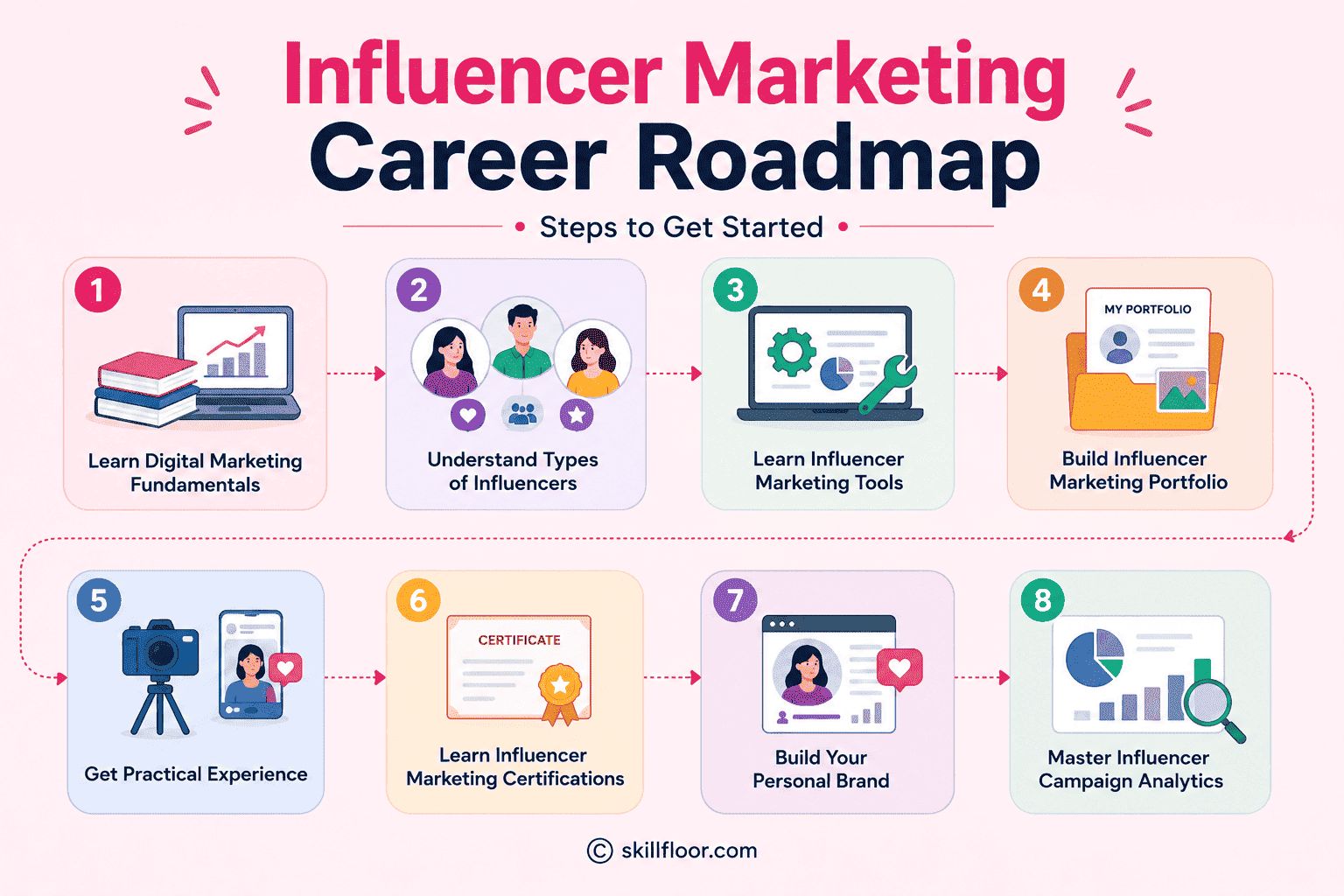
Step 5: Get Practical Experience
Before starting a full-time job, practical experience helps you understand actual influencer marketing strategies, develop your abilities, and boost your confidence through practical tasks.
-
Freelance Projects: Assist small businesses by identifying influencers, overseeing partnerships, and developing successful marketing plans.
-
Marketing Internships: Join companies or agencies to gain experience in influencer connection management, reporting, client communication, and campaign implementation.
-
Personal Projects: Apply what you've learned in a digital marketing course to campaign analysis, industry trend research, and marketing strategy development.
-
Portfolio Development: To highlight your abilities and draw in possible employers, post project documentation on websites or LinkedIn.
Practical experience enhances your chances of developing a successful influencer marketing career, builds practical marketing knowledge, and fortifies your portfolio.
Step 6: Learn Influencer Marketing Certifications
Certifications assist beginners in learning about the sector, enhancing their reputation, and comprehending the fundamental marketing principles needed for organizing, overseeing, and evaluating effective influencer campaigns.
-
Digital Marketing Certifications: Obtain reputable certifications from HubSpot, Meta, Google, and other platforms to bolster your marketing base.
-
Influencer Marketing Training: Through hands-on training, gain knowledge of campaign planning, creator relationships, analytics, content strategies, and brand collaboration tactics.
-
Professional Skill Development: Through structured courses and industry-focused training programs, educational institutions like Skillfloor assist students in acquiring useful digital marketing skills.
-
Practical Knowledge Application: Prioritize using principles in practical tasks over obtaining credentials without receiving useful experience.
Developing the necessary abilities and expertise enables you to launch effective influencer campaigns and gain self-assurance in this dynamic marketing sector.
Step 7: Build Your Personal Brand
In the competitive world of influencer marketing, developing a professional online presence can help you show off your skills, make contacts in the business, and open up career chances.
-
Optimize LinkedIn Profile: To draw recruiters, emphasize your expertise in digital marketing, influencer campaigns, projects, certificates, and industry knowledge.
-
Share Valuable Content: Post updates on the creator economy, social media trends, influencer campaigns, and marketing tactics on a regular basis.
-
Build Industry Connections: To grow your professional network, make connections with influencers, marketers, brand managers, and agency experts.
-
Showcase Your Expertise: To build credibility in the influencer marketing community, share your projects, accomplishments, and marketing expertise.
Having a strong personal brand increases your visibility, fosters trust, and opens up new employment prospects in influencer marketing.
Step 8: Master Influencer Campaign Analytics
Professionals can use data-driven decisions for improved brand partnerships and outcomes by measuring success, improving tactics, and delivering quantifiable results by understanding influencer campaign analytics.
-
Track Key Metrics: To assess the effectiveness of a campaign, examine reach, impressions, engagement rates, website traffic, conversions, sales, and ROI.
-
Use Analytics Tools: For precise measurement, become familiar with technologies such as Google Analytics, social media insights, reporting dashboards, and influencer marketing tools.
-
Optimize Campaign Strategies: Utilise performance data to pinpoint effective strategies, refine content strategies, and strengthen upcoming influencer partnerships.
-
Develop Data Skills: Create campaigns that have an effect and show brands useful outcomes by fusing creativity with analytical thought.
Professionals in influencer marketing can create effective, goal-oriented programs and make wiser decisions when they possess a strong analytical background.
Career Opportunities in Influencer Marketing
Influencer marketing offers diverse career paths for individuals interested in digital marketing, content strategy, creator partnerships, and brand collaborations across various industries and platforms.
-
Influencer Marketing Intern: Researching creators, writing reports, organising communications, and helping teams with influencer partnership management duties are all ways that campaign efforts are supported.
-
Influencer Marketing Executive: Manages influencer relationships, plans campaigns, interacts with producers, monitors results, and guarantees brands receive effective content.
-
Influencer Campaign Manager: Creates campaign plans, controls spending, supervises partnerships, and evaluates outcomes to enhance influencer marketing effectiveness.
-
Creator Partnership Manager: Builds networks of creators, negotiates alliances, upholds connections, and establishes enduring partnerships between influencers and brands.
-
Social Media Strategist: Plans social media campaigns, researches audience behaviour, spots trends, and creates plans to raise brand awareness and engagement.
-
Brand Partnership Specialist: Establishes partnerships, oversees collaborations, and links companies with qualified creators to achieve marketing objectives and business expansion.
Influencer Marketing Salary Based on Experience
Influencer marketing salaries vary based on a number of factors, including region, company size, experience, talents, and knowledge of campaign management, analytics, and creator partnerships. An overview of career-based salaries is shown in the table below:
|
Experience Level |
Common Roles |
Average Salary Range (India) |
Key Responsibilities |
|
Entry-Level (0–2 Years) |
Influencer Marketing Intern, Influencer Marketing Executive, Social Media Associate |
₹2.5 LPA – ₹5 LPA |
Researching influencers, supporting campaigns, managing communication, preparing reports, and assisting with campaign execution. |
|
Mid-Level (2–5 Years) |
Influencer Marketing Manager, Campaign Manager, Creator Partnership Manager |
₹5 LPA – ₹12 LPA |
Developing strategies, managing influencer relationships, handling budgets, analyzing campaign performance, and improving ROI. |
|
Senior-Level (5+ Years) |
Head of Influencer Marketing, Brand Strategy Manager, Director of Creator Partnerships |
₹12 LPA – ₹25+ LPA |
Leading influencer strategies, managing large campaigns, building partnerships, overseeing teams, and driving business growth. |
Note: Industry, location, firm, portfolio strength, and proficiency with influencer marketing tools, analytics, and digital marketing tactics can all affect salaries. Opportunities for job advancement can be greatly enhanced by developing strong abilities and obtaining real-world campaign experience.
Common Mistakes Beginners Make in Influencer Marketing
Beginners frequently ignore strategy, statistics, and relationship-building in favour of concentrating solely on creativity and follower counts. Avoiding these typical blunders contributes to the development of effective influencer campaigns and a more solid professional base.
-
Choosing Influencers Only by Followers: Instead of examining interaction rates, audience quality, and brand relevance, many novices concentrate on follower counts.
-
Ignoring Campaign Goals: Influencers and content strategies may not be properly coordinated if campaigns lack defined objectives.
-
Creating Generic Outreach Messages: Reaching out to all creators with the same message lowers response rates and prevents the development of deep professional connections.
-
Not Tracking Performance Metrics: It is challenging to gauge campaign success, pinpoint enhancements, and demonstrate outcomes to brands when analytics are ignored.
-
Overlooking Audience Authenticity: Collaborating with influencers that have low engagement or phoney followers can have a detrimental effect on the success of campaigns and the reputation of brands.
-
Failing to Follow Industry Trends: Influencer marketing is constantly evolving, so novices need to keep up with platforms, content formats, and audience habits.
Future of Influencer Marketing Careers
Influencer marketing will keep growing as companies prioritise genuine connection, collaborations with creators, and community-based tactics. Companies in a variety of sectors will want qualified experts who can link brands with the appropriate influencers and develop impactful campaigns that foster audience trust.
Future opportunities will increase in areas such as:
-
AI-powered influencer discovery
-
Virtual influencers
-
Creator commerce
-
Affiliate partnerships
-
Community-driven marketing
Professionals who blend creativity and analytical thinking will have an advantage in influencer marketing careers in the future. In the ever-changing digital ecosystem, marketers can establish effective strategies and provide quantifiable outcomes for businesses by having a thorough understanding of campaign data, audience behaviour, developing platforms, and content trends.
Frequently Asked Questions About Influencer Marketing Careers
1. Do I need a degree to start an influencer marketing career?
No. A marketing, communication, or business degree can help, but practical skills, experience, and a strong portfolio are often more important for starting a career.
2. Can I start influencer marketing without experience?
Yes. Beginners can gain experience through internships, freelance projects, mock campaigns, and personal marketing projects to build practical knowledge.
3. How can I get my first influencer marketing job?
You can start by building a portfolio, applying for internships, networking with industry professionals, showcasing marketing projects, and improving your digital marketing skills.
4. Is influencer marketing a good career option?
Yes. The growth of the creator economy has increased demand for professionals who can manage influencer partnerships, develop campaigns, and support brand growth.
5. How long does it take to learn influencer marketing?
With consistent learning and practice, beginners can develop foundational skills within a few months. Career growth depends on experience, networking, and portfolio quality.
6. What industries hire influencer marketing professionals?
Influencer marketing professionals are hired across industries such as fashion, beauty, technology, healthcare, finance, entertainment, e-commerce, and lifestyle brands.
Starting an influencer marketing career does not require becoming an influencer yourself. It necessitates knowing how audiences, creators, and brands interact in the digital realm.
Learning the basics of digital marketing, developing critical skills, producing real-world campaign projects, assembling a portfolio, and networking with industry experts are the best ways to get started.
Influencer marketing is a rapidly evolving industry where effective campaigns are produced through innovation, communication, and data-driven decision-making.
Taking the initial step now can lead to interesting prospects in influencer marketing, whether your goal is to work for a company, agency, or establish your own job in the creator economy.
Digital Marketing Course in Ahmedabad | Digital Marketing Course in Bangalore | Digital Marketing Course in Chennai | Digital Marketing Course in Coimbatore | Digital Marketing Course in Hyderabad | Digital Marketing Course in Pune | Digital Marketing Course in Delhi | Digital Marketing Course in Mumbai
Digital Marketing Courses in Other Locations in India
Ahmedabad | Aurangabad | Bangalore | Bhilai | Bhopal | Bhubaneshwar | Chandigarh | Chennai | Cochin | Coimbatore | Dehra Dun | Delhi | Faridabad | Ghaziabad | Gorakhpur | Guntur | Gurgaon | Guwahati | Hyderabad | Jaipur | Kanpur | Khammam | Kolkata | Lucknow | Madurai | Mumbai | Mysore | Nagpur | Noida | Patna | Pondicherry | Pune | Ranchi | Shimoga | Surat | Thane | Thiruvananthapuram | Tiruchirappalli | Tirupati | Vadodara | Visakhapatnam | Warangal | Jalandhar | Jodhpur | Indore | Durgapur | Jamshedpur | Dhanbad | Kota | Karnal | Udaipur | Amritsar | calicut | Nashik | Ludhiana | varanasi | thrissur | Mangalore | Raipur |