










































What Is Social Media Marketing in Digital Marketing
Learn what social media marketing is in digital marketing, how it works, its benefits, strategies, types, examples, and best practices for real business growth.
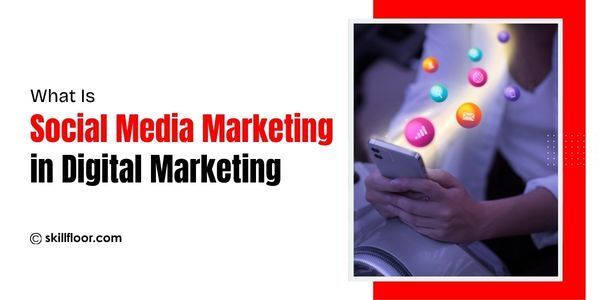
Social Media Marketing (SMM) is a key part of digital marketing that helps businesses promote products, services, and brands through platforms like Facebook and Instagram.
Compared to traditional marketing, social media marketing encourages two-way communication, allowing companies to interact with audiences, respond to inquiries, gather feedback, and use content to create lasting customer relationships.
Posting frequently and collecting followers are only two aspects of effective social media marketing; other factors include audience comprehension, meaningful content, interaction, and trust-building initiatives.
Social media platforms now have an impact on how consumers find companies, investigate items, read reviews, and make purchasing decisions. They also assist businesses in gaining more exposure, leads, and expansion.


To help organizations interact with customers and accomplish their objectives, an effective social media strategy integrates audience research, content development, innovation, analytics, and improvement.
Social media marketing is more than just advertising; it aids companies in creating communities, enhancing their credibility, interacting with clients, and establishing enduring relationships in the digital sphere.
What Is Social Media Marketing?
A digital marketing technique called social media marketing (SMM) makes use of social media platforms to advertise goods, services, or brands while fostering deep connections with consumers. To accomplish marketing goals, it integrates influencer partnerships, paid advertising, content production, audience interaction, and performance measurement.
Social media marketing promotes conversation rather than merely showcasing ads. Companies participate in conversations, contribute insightful material, respond to consumer inquiries, and build brand communities. Businesses can build credibility and sustain long-term client loyalty with this participatory method.
For example, a neighborhood coffee shop can utilize YouTube to post behind-the-scenes videos, LinkedIn to offer business updates, Facebook to announce events, and Instagram to highlight new drinks. When combined, these initiatives raise awareness and promote client interaction.
Social Media Marketing is an important part of digital marketing. It involves creating engaging content, connecting with your audience, using paid ads effectively, and monitoring your performance. These activities help businesses build stronger online visibility, understand customer needs, and create meaningful relationships with their target audience.
Why Is Social Media Marketing Important in Digital Marketing?
Social media marketing has grown to be a crucial component of digital marketing since it links companies with consumers where they already spend a large portion of their time online.
Social media offers chances for in-the-moment connection, in contrast to traditional advertising strategies that depend on one-way communication. Consumers may interact with brands directly, share their experiences, post reviews, and ask questions. This gives companies important insights into consumer preferences and aids in the development of trust.
Some of the main reasons social media marketing is important include:
-
Expands brand visibility among targeted audiences.
-
Drives qualified traffic to websites and landing pages.
-
Generates leads through organic and paid campaigns.
-
Builds stronger customer relationships.
-
Improves customer service through direct communication.
-
Supports overall digital marketing strategies such as SEO, email marketing, and content marketing.
Businesses that actively interact with their audiences frequently see increased customer loyalty and improved conversion rates because social media influences purchasing decisions.
How Does Social Media Marketing Work?
Social media marketing is a systematic method which helps companies in drawing in, interacting with, and winning over new clients.
1. Set Clear Marketing Goals
Every social media campaign has a starting point, such as raising brand awareness, generating leads, boosting sales, or increasing website traffic.
2. Understand Your Audience
For content that reaches out to the right audience, businesses conduct research on the needs, interests, geography, and online activity of their clients.
3. Choose Suitable Platforms
Businesses may efficiently reach their target audience where they spend the majority of their time online by choosing the appropriate social media channels.
4. Create Valuable Content
Companies provide helpful articles, films, narratives, and images that inform, amuse, and inspire consumers to engage with the brand.
5. Engage With Customers


Businesses can strengthen their customer relationships and foster trust by responding to comments, addressing questions, and participating in discussions.
6. Analyze and Improve Results
Businesses may better assess performance and refine their social media marketing plan by monitoring likes, reach, traffic, leads, and sales.
The Core Components of Social Media Marketing
The foundation of a successful social media marketing plan consists of six key elements that combine to boost exposure, interaction, and company expansion.
1. Content Creation
Creating worthwhile, educational, and captivating content that draws viewers, increases brand recognition, and promotes engagement on social media.
Examples include:
-
Educational posts
-
Short-form videos
-
Infographics
-
Blog promotions
2. Audience Engagement
Generating relevant conversations about the brand, communicating with followers, and answering questions in order to build solid relationships.
Businesses strengthen engagement by:
-
Responding quickly to comments and messages
-
Asking questions
-
Running contests and polls
-
Encouraging user-generated content
3. Paid Social Advertising
Utilizing tailored paid campaigns to successfully market goods and services, attract particular audiences, boost exposure, and produce leads.
They are particularly useful for:
-
Product launches
-
Lead generation
-
Event promotions
-
Brand awareness campaigns
4. Community Building
Establishing devoted online communities where clients can interact, exchange stories, show support for the company, and form enduring bonds.
Communities foster:
-
Customer loyalty
-
Brand advocacy
-
Repeat purchases
-
Positive word-of-mouth marketing
5. Analytics and Optimization
Examining social media performance data to analyze outcomes, comprehend audience behavior, and enhance future marketing tactics.
Regular performance analysis helps businesses understand:
-
Which content performs best
-
Audience behavior
-
Best posting times
-
Campaign effectiveness
6. Social Media Strategy and Planning
To achieve consistent marketing success, a comprehensive plan with objectives, content scheduling, platform selection, and campaigns must be developed.
It includes:
-
Setting marketing objectives
-
Creating a content calendar
-
Choosing the right platforms
-
Planning campaigns
Types of Social Media Marketing
Social media marketing is not limited to posting content on social platforms. Businesses use different approaches depending on their goals, audience, and marketing budget.
The major types of social media marketing include:
1. Organic Social Media Marketing
Promoting a brand on social media without spending money on ads is known as organic social media marketing. It emphasizes producing excellent content and organically fostering relationships.
Examples include:
-
Posting educational content
-
Sharing videos and images
-
Responding to comments
-
Creating polls and surveys
The primary benefit of organic marketing is that it aids companies in building enduring connections and trust with their target market.
However, because social media companies employ algorithms to determine what material appears in users' feeds, organic reach may be constrained.
2. Paid Social Media Marketing
Paid social media marketing involves investing money to display advertisements to a targeted audience.
Popular paid advertising platforms include:
-
Facebook Ads
-
Instagram Ads
-
LinkedIn Ads
-
YouTube Ads
Businesses can target users based on:
-
Age
-
Location
-
Interests
-
Online behavior
For example, an online clothes retailer may target adverts at consumers who are interested in fashion, shopping, and lifestyle goods.
Businesses can reach new clients beyond their current followers and get faster results with paid advertising.
3. Influencer Marketing
Working with people who have a large following and impact within a certain specialty is known as influencer marketing.
Influencers help brands:
-
Increase awareness
-
Build credibility
-
Reach new audiences
-
Improve product trust
For instance, a fitness influencer and a fitness brand may work together to market vitamins or exercise gear.
Choosing influencers whose audience aligns with the brand's target market is crucial to the success of influencer marketing.
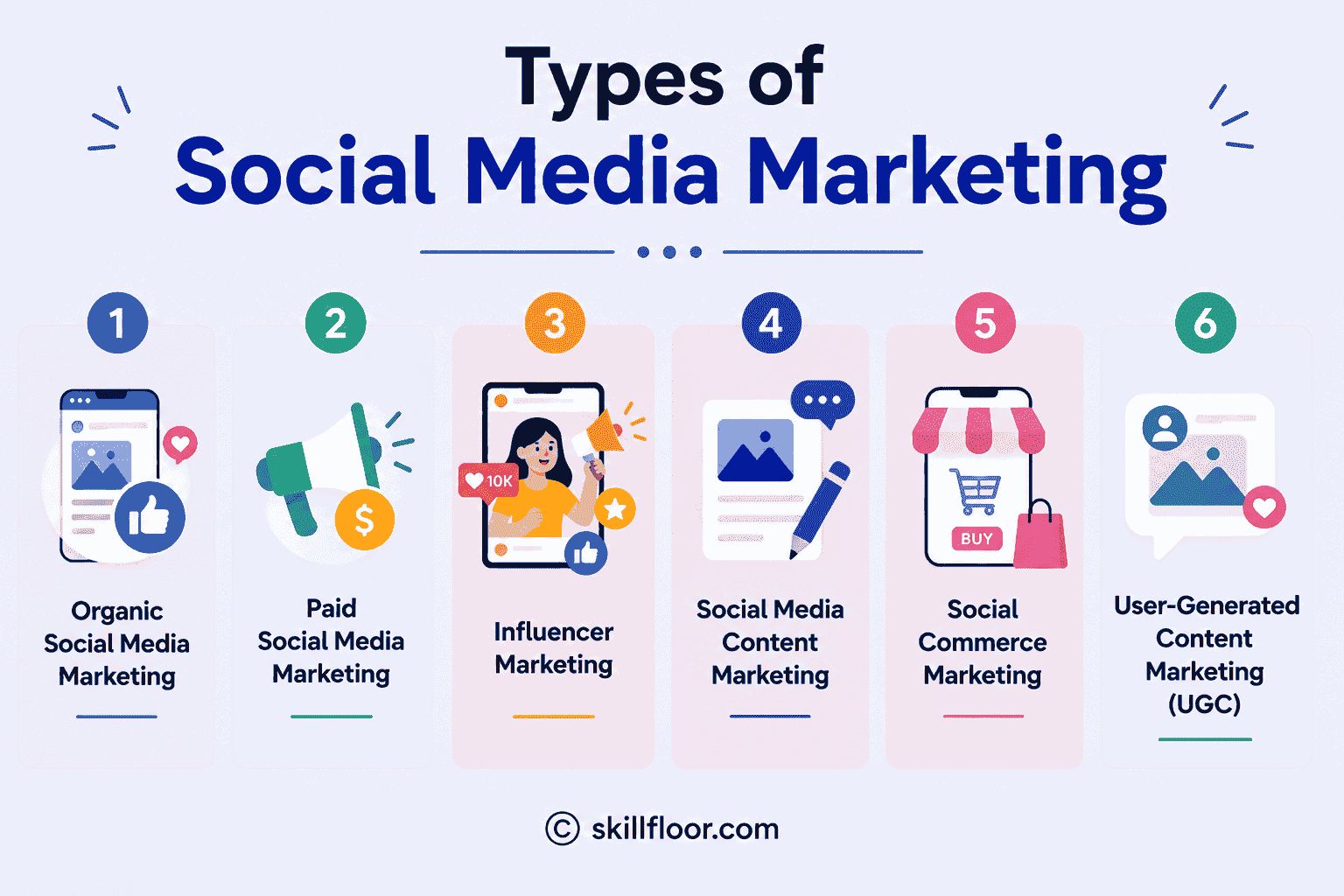
4. Social Media Content Marketing
Content marketing focuses on creating and distributing valuable information to attract and engage audiences.
Common content formats include:
-
Blog posts
-
Videos
-
Reels
-
Infographics
The objective is not only to promote products but also to educate and help customers make better decisions.
5. Social Commerce Marketing
Social commerce allows businesses to sell products directly through social media platforms.
Examples include:
-
Instagram Shopping
-
Facebook Shops
Customers can discover products, view details, and complete purchases without leaving the platform.
This creates a smoother buying journey and reduces barriers between product discovery and purchase.
6. User-Generated Content Marketing (UGC)
User-generated content is created by customers rather than businesses.
Examples:
-
Product reviews
-
Customer photos
-
Testimonials
-
Unboxing videos
UGC works effectively because people often trust recommendations from other customers more than traditional advertisements.
Popular Social Media Platforms Used for Marketing
Different audiences are attracted to different social media platforms. Platforms should be chosen by businesses according to their marketing objectives and desired consumer base.
1. Facebook Marketing
Facebook is still one of the most popular social networking sites for companies.
Businesses use Facebook for:
-
Brand awareness
-
Community building
-
Paid advertising
-
Customer support
Businesses have a number of options because of features like Facebook Groups, Pages, Marketplace, and Ads Manager.
2. Instagram Marketing
Instagram works well for firms that rely on photos and videos because it places a lot of emphasis on visual material.
Popular Instagram marketing formats include:
-
Reels
-
Stories
-
Carousel posts
-
Live videos
Industries that benefit from Instagram include:
-
Fashion
-
Food
-
Travel
-
Beauty
3. LinkedIn Marketing
LinkedIn is a business-to-business (B2B) marketing platform for professionals.
Businesses use LinkedIn to:
-
Generate business leads
-
Share industry insights
-
Build professional authority
-
Recruit employees
It is especially valuable for:
-
Software companies
-
Consulting firms
-
Educational institutions
-
Professional services
4. YouTube Marketing
YouTube is a major global search engine and video platform.
Businesses use YouTube for:
-
Product demonstrations
-
Tutorials
-
Educational videos
-
Customer testimonials
Video content strengthens relationships with viewers and clarifies complicated items.
5. X (Twitter) Marketing
X is useful for real-time communication and brand conversations.
Businesses use it for:
-
Customer support
-
Industry updates
-
News sharing
-
Brand engagement
It is commonly used by technology companies, media brands, and public organizations.
Benefits of Social Media Marketing
Social media marketing provides several advantages that help businesses grow online.
1. Increases Brand Awareness
Businesses can use social media to reach a wider audience, enhance brand awareness, highlight items, and establish a powerful online presence.
2. Builds Customer Relationships
With frequent encounters, businesses may interact directly with consumers, respond to inquiries, get feedback, and develop trust.
3. Generates Leads and Sales
Through promos, ads, and interesting content that promotes sales and conversions, social media helps draw in new clients.
4. Cost-Effective Marketing
Social media makes marketing more inexpensive for startups and small enterprises by enabling them to advertise products with flexible budgets.
5. Provides Customer Insights
Businesses can better understand their customers' interests, preferences, and behavior by using social media analytics to enhance their marketing strategy.
6. Improves Website Traffic
Posting insightful content on social media increases online visibility and engagement by drawing users to websites, blogs, and product pages.
Social Media Marketing Strategy: Step-by-Step Guide
A successful social media marketing strategy requires planning, execution, and continuous improvement.
Step 1: Set Clear Goals
Establish specific, quantifiable objectives, such as raising brand awareness, generating leads, boosting revenues, boosting website traffic, and forging closer bonds with clients.
Step 2: Research Your Audience
Recognize the needs, interests, difficulties, online habits, and preferred platforms of your target audience to provide tailored content that appeals to prospective clients.
Step 3: Analyze Competitors
To find chances and boost your brand's online performance, research the social media activity, effective content, engagement techniques, and marketing strategies of competitors.
Step 4: Create a Content Calendar
To ensure consistency and consistently produce high-quality content, plan your social media posts, subjects, formats, campaigns, and publication dates beforehand.
Step 5: Create High-Quality Content
Create educational, entertaining, and aesthetically pleasing content that addresses consumer issues, educates, and entices customers to engage with your brand.
Step 6: Measure Performance
Monitor key performance indicators including reach, engagement, website traffic, conversions, and ROI to better understand campaign outcomes and enhance subsequent social media marketing tactics.
Real-World Examples of Social Media Marketing
Social media marketing is used by many successful brands to raise awareness, interact with consumers, and create vibrant communities. These illustrations demonstrate how companies employ various tactics to meet their marketing objectives.
1. Nike – Brand Storytelling Through Social Media
Beyond merely advertising items, Nike employs films, athlete material, inspirational stories, and motivational campaigns to create emotional connections with consumers.
Key Lesson: Instead of just promoting goods or services, effective social media marketing concentrates on inspiring audiences, fostering emotional connections, and fostering brand loyalty.
2. Netflix – Content and Community Engagement
Memes, behind-the-scenes material, popular subjects, and imaginative films are some of the ways Netflix engages viewers and promotes discussions about its series.
Key Lesson: Brands can boost engagement, promote sharing, and create vibrant online communities by knowing their audience's interests and producing comparable content.
3. Zomato – Creative and Relatable Content
Zomato creates distinctive brand experiences on social media platforms through comedy, trending themes, festival promotions, and customer-focused postings.
Key Lesson: Businesses may boost brand awareness, draw attention, and forge closer bonds with their target audience by producing relatable and creative content.
4. Educational Brands – Building Authority Through Content
To educate audiences and build trust online, educational businesses post tutorials, industry updates, professional advice, and success stories.
Key Lesson: Businesses may establish credibility, win over customers, and draw in audiences seeking helpful information by regularly sharing relevant expertise.
Social Media Marketing vs Digital Marketing
Digital marketing is often confused with social media marketing. They are related, but they are not the same.
|
Social Media Marketing |
Digital Marketing |
|
Focuses on social media platforms like Facebook, Instagram, LinkedIn, YouTube, and TikTok. |
Covers all online marketing channels, including SEO, PPC, email marketing, websites, and social media. |
|
Mainly aims to increase engagement, build communities, and create customer relationships. |
Aims to attract customers, generate leads, increase sales, and grow businesses online. |
|
Uses content such as posts, videos, stories, reels, and social media advertisements. |
Uses multiple strategies like search engines, websites, emails, paid ads, and content marketing. |
|
Allows direct communication between brands and customers through comments, messages, and discussions. |
Uses different platforms to reach customers at various stages of the buying journey. |
|
Measures success through engagement rate, followers, reach, impressions, and social interactions. |
Measures success through traffic, conversions, leads, sales, ROI, and overall marketing performance. |
|
Requires regular content updates and audience interaction to maintain visibility and engagement. |
Requires a combination of different marketing strategies to achieve long-term online growth. |
Common Social Media Marketing Mistakes
Many companies employ social media marketing, but they frequently make mistakes that prevent them from getting the desired outcomes. Improving engagement, reach, and overall marketing performance can be achieved by avoiding these errors.
1. Posting Without a Clear Strategy
Without clear objectives, audience research, or content planning, posting at random might be ineffective and waste marketing resources.
2. Focusing Only on Selling
Consistently advertising goods without offering worthwhile content can cause viewers to get disinterested and lower customer engagement.
3. Ignoring Audience Engagement
Relationships can be harmed and customers may feel cut off from the brand if comments, messages, and feedback are ignored.
4. Choosing the Wrong Platforms
It might be time-consuming and less successful to use every social media channel without knowing who the target audience is.
5. Not Tracking Performance
Businesses cannot learn what works and improve future social media initiatives by ignoring analytics and critical data.
6. Inconsistent Content Posting
It can be challenging to establish a powerful and distinctive online presence when posting seldom, as this might lower audience engagement and visibility.
Future Trends in Social Media Marketing
Social media marketing is always evolving due to shifting consumer demands, online habits, and digital platforms. To succeed over the long run in the cutthroat digital world, businesses must concentrate on developing genuine relationships, enhancing consumer experiences, adjusting to new communication techniques, and producing meaningful interactions.
Future trends include:
-
AI-powered content creation
-
Short-form video growth
-
Social commerce
-
Personalized marketing
-
Creator partnerships
-
Interactive content
Companies will have more chances to engage audiences and attain long-term success if they comprehend shifting trends, enhance their tactics, and adjust swiftly.
Enrolling in a digital marketing course enables students to gain essential knowledge to understand the evolving trends in the industry and develop valuable skills for a career in digital marketing.
Skillfloor provides digital marketing courses that offer hands-on training in key areas such as social media marketing, SEO, analytics, and other vital digital marketing skills, helping students become proficient in these fields.
Frequently Asked Questions (FAQs)
1. How does social media marketing help small businesses?
Social media marketing helps small businesses reach new customers, build brand awareness, promote products, and compete with larger companies affordably.
2. How often should businesses post on social media?
Businesses should post consistently based on their audience, platform, and content strategy while maintaining quality rather than focusing only on quantity.
3. How long does it take to see results from social media marketing?
Social media marketing results vary, but consistent efforts, quality content, and proper strategies can gradually improve engagement, visibility, and conversions.
4. Can social media marketing improve customer service?
Yes, social media allows businesses to quickly answer customer questions, solve issues, collect feedback, and improve overall customer satisfaction.
5. What type of content works best on social media?
Content that educates, entertains, solves problems, and connects emotionally with audiences usually performs better across different social media platforms.
6. Why is consistency important in social media marketing?
Consistency helps businesses maintain audience interest, improve brand recognition, increase engagement, and build trust with followers over time.
Social media marketing has grown to be a crucial component of digital marketing since it enables companies to engage with clients more directly and meaningfully.
Posting stuff online is only one aspect of it. Understanding audiences, producing insightful content, fostering connections, effectively utilizing paid advertising, and tracking results are all necessary for effective social media marketing.
Social media marketing is used by organizations of all sizes, from startups to multinational corporations, to boost visibility, improve client interactions, and accomplish corporate expansion.
Businesses with a solid social media strategy will have a bigger advantage in the digital marketplace as social media platforms continue to advance with AI, automation, video content, and social commerce.
Digital Marketing Course in Ahmedabad | Digital Marketing Course in Bangalore | Digital Marketing Course in Chennai | Digital Marketing Course in Coimbatore | Digital Marketing Course in Hyderabad | Digital Marketing Course in Pune | Digital Marketing Course in Delhi | Digital Marketing Course in Mumbai
Digital Marketing Courses in Other Locations in India
Ahmedabad | Aurangabad | Bangalore | Bhilai | Bhopal | Bhubaneshwar | Chandigarh | Chennai | Cochin | Coimbatore | Dehra Dun | Delhi | Faridabad | Ghaziabad | Gorakhpur | Guntur | Gurgaon | Guwahati | Hyderabad | Jaipur | Kanpur | Khammam | Kolkata | Lucknow | Madurai | Mumbai | Mysore | Nagpur | Noida | Patna | Pondicherry | Pune | Ranchi | Shimoga | Surat | Thane | Thiruvananthapuram | Tiruchirappalli | Tirupati | Vadodara | Visakhapatnam | Warangal | Jalandhar | Jodhpur | Indore | Durgapur | Jamshedpur | Dhanbad | Kota | Karnal | Udaipur | Amritsar | calicut | Nashik | Ludhiana | varanasi | thrissur | Mangalore | Raipur |