



































The Power of Digital Marketing Tools A Practical Guide
Explore the effectiveness of digital marketing tools in this practical guide, revealing insights and strategies for harnessing their power.

Digital marketing tools play an important role in planning, managing, and measuring online marketing activities. From keyword research and search engine optimization (SEO) to social media management, email marketing, paid advertising, and performance tracking, the right tools make everyday marketing tasks more organised and effective.
In this practical guide to digital marketing tools, we explore essential platforms across major categories, including search engine optimization, keyword research, analytics, content creation, social media, email marketing, and paid advertising.
The goal is to help you build a practical toolkit that supports better planning, more effective execution, and measurable improvements over time.
Digital Marketing Tools: Grasp The Basics
-
SEO and keyword research tools:
Reveal what people search for, help evaluate websites, and identify opportunities to improve organic visibility. -
Website analytics tools:
Show where visitors come from, which pages they explore, and whether they complete important actions.
-
Social media management tools:
Make it easier to plan publishing schedules, coordinate account activity, and assess how audiences respond to content. -
Email marketing tools:
Help businesses organise subscriber lists, send relevant messages, and communicate with potential and existing customers. -
Paid advertising tools:
Support campaign creation, audience targeting, budget control, and advertising performance. -
Content creation tools:
Help produce marketing graphics, prepare written material, and adapt content for different digital channels. -
CRM and marketing automation tools:
Keep customer records organised, track enquiries through the sales process, and coordinate follow-up activities.


Essential Types of Digital Marketing Tools
1. SEO and Keyword Research Tools
Ahrefs
Kernel Functions: Ahrefs helps marketers investigate keyword opportunities, examine competitor websites, audit technical SEO issues, and analyse links pointing to a website. Its reports help reveal how competing pages gain visibility in organic search.
Put It to Work: Use Ahrefs to find search terms relevant to your business, identify competitor pages attracting organic traffic, and review websites that could provide relevant backlinks. These findings can guide keyword targeting, content updates, and link-building priorities.
Best For: SEO specialists, website owners, and content teams researching competitors and improving organic search visibility.
2. Website Analytics Tools
Google Analytics 4 (GA4)
Kernel Functions: GA4 records user interactions across websites and apps, including page views, events, traffic acquisition, and configured key events. It helps marketers examine the path visitors take from their first interaction to important website actions.
Put It to Work: Use GA4 to compare traffic sources, identify landing pages that attract visitors, and see where users leave before completing an enquiry or purchase. This information helps teams decide which pages and marketing channels need further attention.
Best For: Marketing analysts, e-commerce teams, and businesses that need to connect website activity with measurable business outcomes.
3. Social Media Management Tools
Hootsuite
Kernel Functions: Hootsuite brings supported social media accounts into a central workspace for scheduling posts, monitoring conversations, and reviewing performance. It helps teams coordinate publishing activities without managing every account separately.
Put It to Work: Use Hootsuite to organise a monthly content calendar, schedule campaign announcements, monitor audience responses, and prepare performance reports for clients or internal teams.
Best For: Digital marketing agencies, social media managers, and businesses coordinating content across several social platforms.
Buffer
Kernel Functions: Buffer helps users prepare social media posts, organise publishing schedules, and review available engagement metrics. Its content-planning features support a more organised approach to regular publishing.
Put It to Work: Use Buffer to prepare a week's social media posts in advance, maintain a consistent posting schedule, and compare the performance of educational posts, product updates, and promotional content.
Best For: Freelancers, small businesses, independent creators, and lean marketing teams managing regular social media publishing.
4. Email Marketing and Automation Tools
Mailchimp
Kernel Functions: Mailchimp provides tools for managing email audiences, building campaigns, segmenting subscribers, and reviewing campaign reports. Depending on the plan, it also supports automated email journeys and targeted communications.
Put It to Work: Use Mailchimp to send a newsletter to subscribers, share product updates with relevant customer groups, or follow up with people who have expressed interest in a service. Campaign reports can help identify which messages encourage further engagement.
Best For: Small and medium-sized businesses, online retailers, and marketing teams for communicating with subscribers.
5. Paid Advertising and Conversion Tracking Tools
Google Ads


Kernel Functions: Google Ads enables businesses to run paid campaigns across supported Google advertising networks. Marketers can manage search keywords, audience targeting, bidding strategies, budgets, advertisements, and campaign performance from one platform.
Put It to Work: Use Google Ads to reach people searching for a particular service, test different advertising messages, and compare campaign costs with the enquiries or sales generated. Conversion tracking helps evaluate results.
Best For: Businesses targeting active search demand, lead-generation teams, e-commerce advertisers, and performance marketers.
Meta Ads Manager
Kernel Functions: Meta Ads Manager provides campaign creation, audience selection, budget controls, creative testing, and reporting for supported Meta advertising placements. It allows marketers to manage campaign delivery and assess results across eligible platforms.
Put It to Work: Use Meta Ads Manager to test different creative formats, compare audience responses, and promote products or services to relevant customer groups. Review cost and conversion data to identify which advertisements deserve further testing or budget adjustments.
Best For: E-commerce businesses, local service providers, social media advertisers, and brands using paid campaigns to generate awareness, enquiries, or sales.
6. Content Creation and AI Tools
Canva
Kernel Functions: Canva provides templates and design features for social media graphics, advertisements, presentations, infographics, and other marketing materials. Its editing tools help users prepare visual assets without requiring advanced graphic design skills.
Put It to Work: Use Canva to create a coordinated set of social media posts for a campaign, design a promotional banner, or turn research findings into an infographic. Reusable templates help maintain colours, typography, and branding across different assets.
Best For: Social media managers, small business owners, content creators, and marketing teams producing visual content regularly.
Grammarly
Kernel Functions: Grammarly checks written content for grammar, spelling, punctuation, clarity, and tone. Depending on the features available, it can also suggest revisions to improve sentence structure and readability.
Put It to Work: Use Grammarly to review a blog article before publication, refine the wording of a promotional email, or identify unclear sentences on a landing page. Review its suggestions against your intended meaning and brand voice before accepting changes.
Best For: Content writers, SEO teams, bloggers, and marketing professionals responsible for producing clear, consistent written communication.
7. CRM and Marketing Automation Platforms
HubSpot CRM
Kernel Functions: HubSpot CRM organises contact information, tracks customer interactions, and manages leads through sales pipeline stages. Its connected marketing and sales features can help teams coordinate communication and automate selected tasks, depending on the products and subscription plan.
Put It to Work: Use HubSpot CRM to record incoming enquiries, identify their original marketing source, assign follow-up tasks, and monitor whether leads progress towards a sale. Connecting contact records with campaign activity helps marketing and sales teams understand how interactions contribute to business results.
Best For: B2B companies, growing businesses, and sales and marketing teams that need a shared view of leads, customer interactions, and pipeline progress.
Key Metrics to Track With Digital Marketing Tools
|
Metric |
Meaning |
Why It Matters |
|
Impressions |
Number of times content or an advertisement was shown |
Indicates exposure |
|
Click-through rate (CTR) |
Clicks divided by impressions, expressed as a percentage |
Helps assess how often an impression generates a click |
|
Cost per click (CPC) |
Advertising spend divided by clicks |
Measures average cost per ad click |
|
Conversion rate |
Conversions divided by the relevant interactions or visitors, according to the chosen definition |
Shows how often the measured audience completes the desired action |
|
Cost per lead (CPL) |
Campaign cost divided by leads generated |
Helps assess lead-generation costs |
|
Customer acquisition cost (CAC) |
Relevant sales and marketing acquisition costs divided by new customers acquired |
Estimates the cost of acquiring customers |
|
Return on ad spend (ROAS) |
Attributed advertising revenue divided by advertising spend |
Evaluates attributed revenue relative to ad spend |
Begin a Digital Marketing Work Plan
1. Start with Essential Digital Marketing Tools
Begin with Google Analytics 4 (GA4), Google Search Console, and Canva to understand the basic tasks involved in digital marketing.
GA4 helps you analyse website traffic and user activity, Google Search Console provides insights into search performance, and Canva helps you create marketing visuals.
Once you understand these tools, you can gradually explore platforms such as Semrush, Ahrefs, Google Ads, and Meta Ads Manager.
2. Practise Using Tools on Real Marketing Projects
Use digital marketing tools to complete practical tasks. For example, analyse a website's search performance using Google Search Console, review visitor activity in GA4, or create social media posts using Canva. You can also practise keyword research with Semrush or Ahrefs.
3. Learn Continuously Through Tutorials and Marketing Communities
Use official documentation, tutorials, and online learning resources to understand tool features and updates.
Google provides learning resources for Analytics, Search Console, and Google Ads, while many other platforms offer their own guides.
Digital marketing communities also provide opportunities to discuss practical challenges, exchange ideas, and learn from other professionals. Regular practice helps you keep your knowledge relevant as marketing platforms evolve.
Key Digital Marketing Techniques
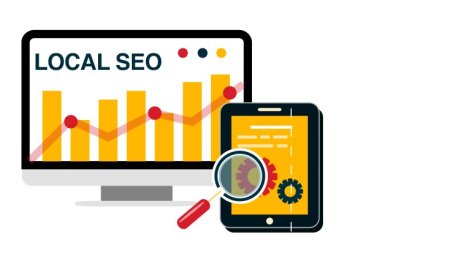
1. Search Engine Optimisation (SEO)
Search engine optimisation helps search engines understand website content and helps people discover relevant pages through organic search results.
It involves keyword research, useful content, internal linking, and technical improvements that make pages easier to access and understand.
How You Can Apply SEO
Start by researching the terms people use when looking for a product, service, or answer. Create a page that addresses their needs, use descriptive headings, and link to relevant pages on your website.
Google Search Console can help you monitor impressions, clicks, and search queries to identify areas for improvement. SEO requires ongoing work, and rankings are not guaranteed.
2. Content Marketing
Content marketing involves creating useful information that answers audience questions and supports their decisions. Common formats include blog articles, guides, videos, infographics, and case studies.
How You Can Apply Content Marketing
Choose a topic related to your audience's needs and prepare content that answers a specific question. Use clear headings, accurate information, and relevant examples. Review engagement and website traffic to understand which topics deserve further development.
3. Social Media Marketing
Social media platforms such as Instagram, Facebook, LinkedIn, and YouTube to distribute content, communicate with audiences, and promote products or services.
How You Can Apply Social Media Marketing
Choose a platform that suits your target audience and business objective. Plan a simple content calendar with educational posts, product information, and relevant updates.
Review metrics such as reach, engagement, profile visits, and website clicks to understand how people respond to your content. Use these findings to improve future posts rather than publishing without a clear purpose.
4. Email Marketing
Email marketing allows businesses to communicate directly with people who have subscribed to receive their messages.
It can support newsletters, product updates, event announcements, and follow-up communication. Audience segmentation helps businesses send information relevant to different subscriber groups.
How You Can Apply Email Marketing
Start by creating a subscriber list with appropriate consent and sending a useful welcome email. Prepare messages with a clear subject line, concise information, and one main action for the reader.
Mailchimp can help manage subscribers and review campaign performance.
5. Pay-Per-Click (PPC) Advertising
Pay-per-click (PPC) advertising allows businesses to reach targeted audiences through paid ads. In PPC campaigns, advertisers generally pay when someone clicks on an ad.
Google Ads supports search and other advertising campaigns, while Meta Ads Manager helps businesses create and manage ads across Facebook, Instagram, and other eligible Meta placements.
How You Can Apply PPC Advertising
Begin with a specific objective, such as generating enquiries for a service or increasing product sales. Research relevant keywords or audience groups, set a controlled budget, and prepare an advertisement that matches its landing page.
6. Website Analytics and Performance Measurement
Website analytics helps marketers understand where visitors come from, which pages they use, and what actions they take.
Tools such as Google Analytics 4 measure configured website and app interactions, while Google Search Console provides information about performance in Google Search.
How You Can Apply Website Analytics
Set up the relevant measurement tools and identify the metrics that match your objective. For a lead-generation website, review traffic sources, landing-page visits, completed enquiry forms, and conversion rates.
7. Video Marketing
Video marketing uses short videos, demonstrations, tutorials, interviews, and product explainers to communicate information visually.
You can share videos on platforms such as YouTube, Instagram, and LinkedIn, depending on the audience and content objectives.
How You Can Apply Video Marketing
Choose one topic that your audience wants to understand and explain it in a short, structured video. For example, a software company could demonstrate how to complete a common task using its product. Add clear captions where appropriate and make the main point easy to understand.
Review watch time, audience retention, engagement, and relevant website actions to assess performance.
8. Conversion Rate Optimisation (CRO)
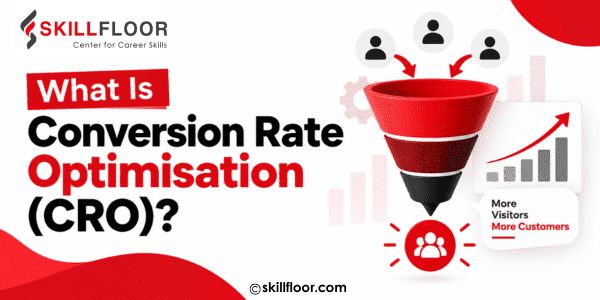
Conversion rate optimisation focuses on the percentage of website visitors who complete a desired action, such as submitting an enquiry, registering for a course, or purchasing a product. It involves examining page usability, calls to action, forms, and the overall user journey.
How You Can Apply Conversion Rate Optimisation
Review an important landing page and identify possible obstacles, such as unclear messaging, lengthy forms, or a difficult checkout process. Make one well-defined change at a time and compare results using reliable measurement.
Mastering Your Skills for Tomorrow's Marketing Tools
Digital marketing continues to evolve as new tools, platforms, and technologies change how businesses reach their audiences. Learning to use these tools helps you understand marketing activities and manage campaigns.
Knowing how to analyse website traffic, plan content, manage advertising campaigns, and measure results helps you apply your knowledge to real marketing tasks.
A strong foundation in digital marketing principles, combined with hands-on practice, can help you stay prepared as industry requirements change.
How to Choose an AI-Powered Digital Marketing Course for Modern Careers
As AI-powered marketing tools become more common, choosing a course that combines digital marketing fundamentals with practical AI applications can help students and working professionals prepare for changing industry requirements.
-
AI Tool Training: Check whether the curriculum introduces AI tools for content planning, audience research, campaign optimization, and marketing automation.
-
Practical Campaign Experience: Look for assignments and projects that help you apply SEO, paid advertising, analytics, and AI-assisted workflows.
-
Analytics and Measurement: Choose training that explains how to interpret campaign data, track conversions, and evaluate marketing performance.
-
Industry-Relevant Skills: Review whether the syllabus covers current marketing platforms, customer data practices, and emerging digital marketing trends.
-
Career Preparation: Consider whether the program offers portfolio projects, practical assessments, and guidance relevant to your target role.
Skillfloor's AI-powered digital marketing training program is an option if you want to develop practical digital marketing skills alongside your understanding of modern marketing technologies.
Frequently Asked Questions
- What are digital marketing tools used for?
Digital marketing tools help businesses manage campaigns, reach customers, track performance, and improve marketing results. - How do AI tools improve digital marketing?
AI tools support content creation, audience analysis, campaign optimization, and repetitive marketing tasks. - Which digital marketing tools should beginners learn first?
Beginners can start with Google Analytics, Google Search Console, Google Ads, and relevant social media and AI tools. - Are digital marketing tools free to use?
Some digital marketing tools offer free plans or basic features, while others require paid subscriptions for advanced functions.
Digital marketing tools have become essential for businesses seeking better campaign performance, stronger customer relationships, and sustainable growth. SEO and analytics to AI-powered automation. Understanding how each tool helps students develop practical skills for modern marketing roles. Choosing tools based on specific objectives is more valuable than adopting every new platform or feature. Continuous learning and hands-on practice help marketers adapt to changing technologies and industry expectations.
Digital Marketing Courses in Other Locations in India
Ahmedabad | Aurangabad | Bangalore | Bhilai | Bhopal | Bhubaneshwar | Chandigarh | Chennai | Cochin | Coimbatore | Dehra Dun | Delhi | Faridabad | Ghaziabad | Gorakhpur | Guntur | Gurgaon | Guwahati | Hyderabad | Jaipur | Kanpur | Khammam | Kolkata | Lucknow | Madurai | Mumbai | Mysore | Nagpur | Noida | Patna | Pondicherry | Pune | Ranchi | Shimoga | Surat | Thane | Thiruvananthapuram | Tiruchirappalli | Tirupati | Vadodara | Visakhapatnam | Warangal | Jalandhar | Jodhpur | Indore | Durgapur | Jamshedpur | Dhanbad | Kota | Karnal | Udaipur | Amritsar | calicut | Nashik | Ludhiana | varanasi | thrissur | Mangalore | Raipur |